
Most people think of massage as one basic service with different pressure settings. In practice, some techniques work in completely different ways and are chosen for completely different reasons.
Lymphatic drainage and trigger point work are a good example. One uses very light, rhythmic movements at the surface of the skin, while the other applies focused pressure to specific areas of muscular tension.
Knowing the difference makes it easier to book the session that fits what you are actually trying to address.
How Lymphatic Drainage Massage Works
The lymphatic system is a network of vessels that helps move excess fluid from tissues back toward the bloodstream. Unlike the circulatory system, it does not rely on a central pump like the heart.
Movement, breathing, and the contractions of the lymphatic vessels themselves all help move fluid through the system. Manual lymphatic drainage is designed to support that process with slow, gentle, rhythmic movements.
The pressure is intentionally light because many lymphatic vessels sit close to the surface of the skin. A therapist may begin around the neck and collarbone before working elsewhere, helping establish the direction of drainage before moving into other areas.
That makes lymphatic drainage feel very different from a conventional deep-pressure massage. The session is usually calm and gentle, with the therapist working through subtle skin movements rather than heavy muscular pressure.
Who Lymphatic Drainage May Be For
One of the most established uses of manual lymphatic drainage is swelling management. It is commonly used as part of lymphedema care and may also be recommended in some post-surgical situations when the treating physician has approved the timing.
That distinction matters after cosmetic or other procedures. Massage over an area that is still healing should only happen when the surgeon or other treating clinician has cleared it.

Some people also find lymphatic drainage relaxing simply because of the slow rhythm and light touch. What it should not be treated as is a detox or weight-loss treatment, since those claims are not supported by strong evidence.
It is also not appropriate for everyone. People with active infections, blood clots, significant heart conditions, or kidney problems should speak with a healthcare professional before booking.
How Trigger Point Massage Works
Trigger point massage targets muscular tension rather than fluid movement.
The therapist looks for sensitive areas within taut muscle that may be associated with local discomfort or pain felt somewhere else. Rather than moving continuously over a large area, the therapist may spend more time applying focused pressure to one specific point.
That pressure is usually firmer than what is used during lymphatic drainage. It can feel intense, but the therapist should adjust the amount of pressure based on the client’s comfort and feedback.
Trigger point massage is often incorporated into sessions for recurring neck or shoulder tension, muscular soreness, and other localized areas that do not seem to improve with broader massage alone. The technique may be used by itself or combined with deep tissue, myofascial, or other therapeutic methods.
Choosing Between The Two
The simplest way to think about the difference is to start with the problem rather than the pressure.
Swelling, fluid-related concerns, and clinician-approved post-surgical care may point toward lymphatic drainage. Localized muscular tension or recurring sensitive points may make trigger point massage worth discussing with the therapist.
The two approaches are not interchangeable. Firm trigger point work is generally not appropriate over fresh surgical areas, while lymphatic drainage is not designed to work deeply into a stubborn muscular knot.
That does not mean the same client can never benefit from both. Someone may use lymphatic drainage during one phase of recovery and later use more targeted muscular work when the body is ready for it.
Persistent, severe, unexplained, or neurologic symptoms should still be evaluated by an appropriate healthcare professional rather than being assigned to a massage technique.
Finding The Right Session
Massage Matters offers both lymphatic drainage and trigger point techniques, which allows the session to be matched more closely to what the client is dealing with.
When looking for massage therapy in Orange County, it is worth being specific about the reason for the appointment. Mention whether the concern is swelling, post-surgical recovery, recurring muscular tension, or a particular sensitive area.
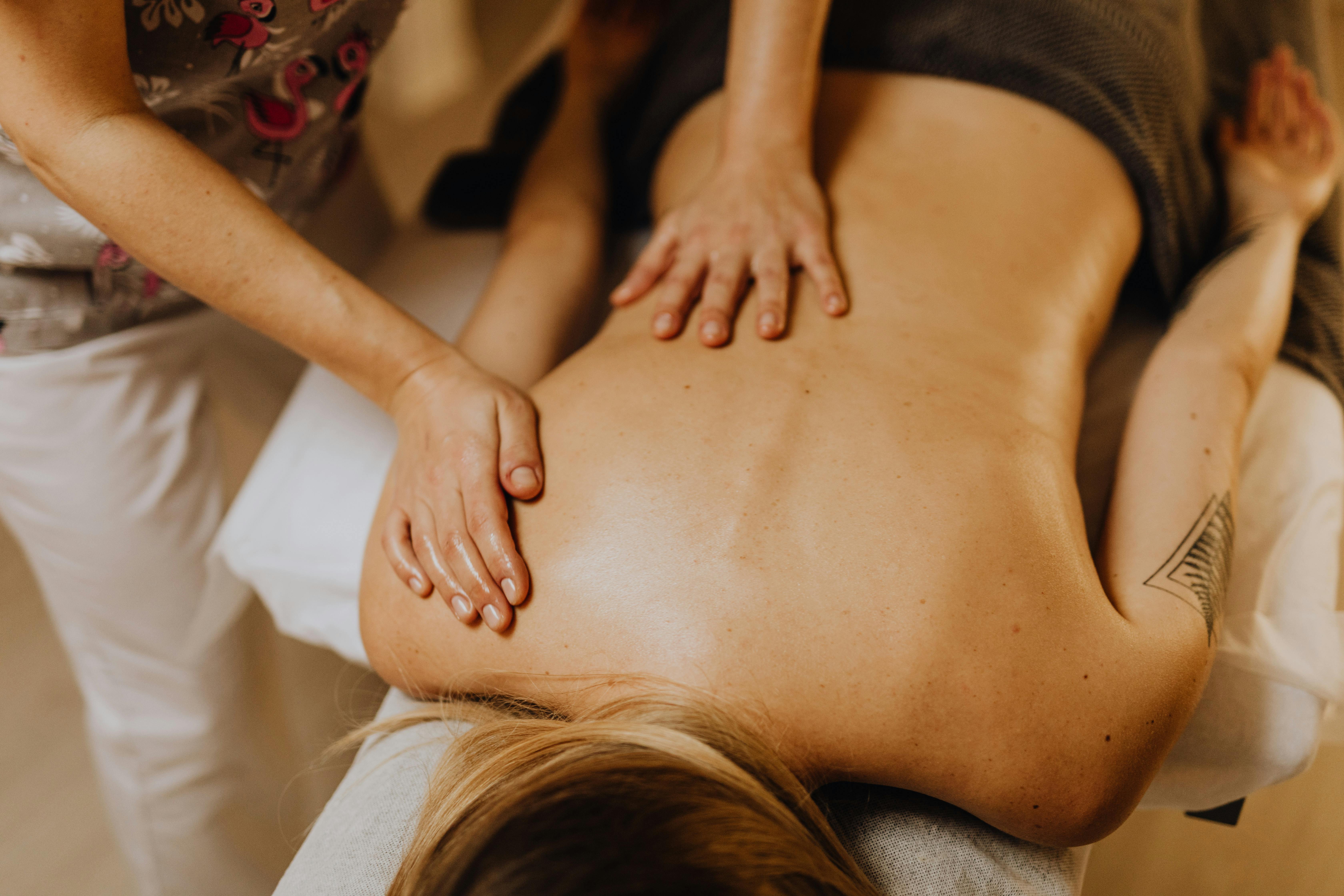
That gives the therapist a better starting point than simply asking for “deep pressure” or “something relaxing.” Different problems call for different techniques, and sometimes the best session combines more than one method.
Take a look at what some of Massage Matter’s client base have to say about their experience with recovery at the hands of the establishment’s skilled practitioners:
Read Daniel C.‘s review of Massage Matters on YelpThe goal is not to choose the strongest pressure. It is to choose the approach that makes sense for the issue being addressed.
Different Problems, Different Pressure
Lymphatic drainage massage and trigger point massage show how wide the range of massage therapy really is.
One uses gentle, rhythmic movements to support fluid movement through the lymphatic system. The other uses focused pressure on specific areas of muscular tension.
For clients considering lymphatic drainage massage in Newport Beach, understanding that difference can make the booking decision much easier. The right session depends less on how much pressure someone wants and more on what they are hoping the massage will help with.
Massage Matters
+17142423390
16525 Von Karman Ave E, Irvine, CA 92606